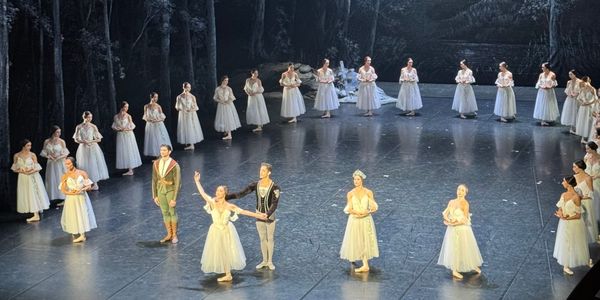
Gran Gala de Zarzuela at Deutsche Oper Berlin
A 20th-century flamenco legend on castanets, a conductor stealing a verse, a genre I'd never once encountered - and a door into Spanish opera I didn't know I'd been missing.

🎭 Gran Gala de Zarzuela
🎶 Los Paladines
💭 Christof Loy, 2026
🏛️ Deutsche Oper Berlin
🗓️ 04.07.2026
"VIVA LA ZARZUELA!"
One of the quiet pleasures of being a frequent member of the audience is discovering, every so often, that there is still an entire tradition you know almost nothing about. Until this evening, zarzuela had only ever reached me in fragments - a single number, played as a teaser during last season's presentation, that I liked enough to remember for a year without ever following up on it.
What Zarzuela Actually Is
Zarzuela resists a tidy definition, which is presumably part of why it gets reduced to one anyway: colloquially, "Spanish operetta," a label that does a lot of quiet condescending work. The genre's own namesake origin - a diminutive of zarza, thornbush, after the thorn-ringed hunting lodge where early performances were staged for the Spanish court - gives no hint of what it actually became: a repertoire running into the thousands of works, embracing folkloric and dance traditions while carrying orchestration as complex as anything in the canonical opera house, and dealing, over and over, with ordinary people - their jealousies, their heartbreaks, their work - rather than aristocrats, except when it was satirizing them. At its height, in the decades before cinema displaced it, Madrid could see thirty different zarzuela performances in a single night.
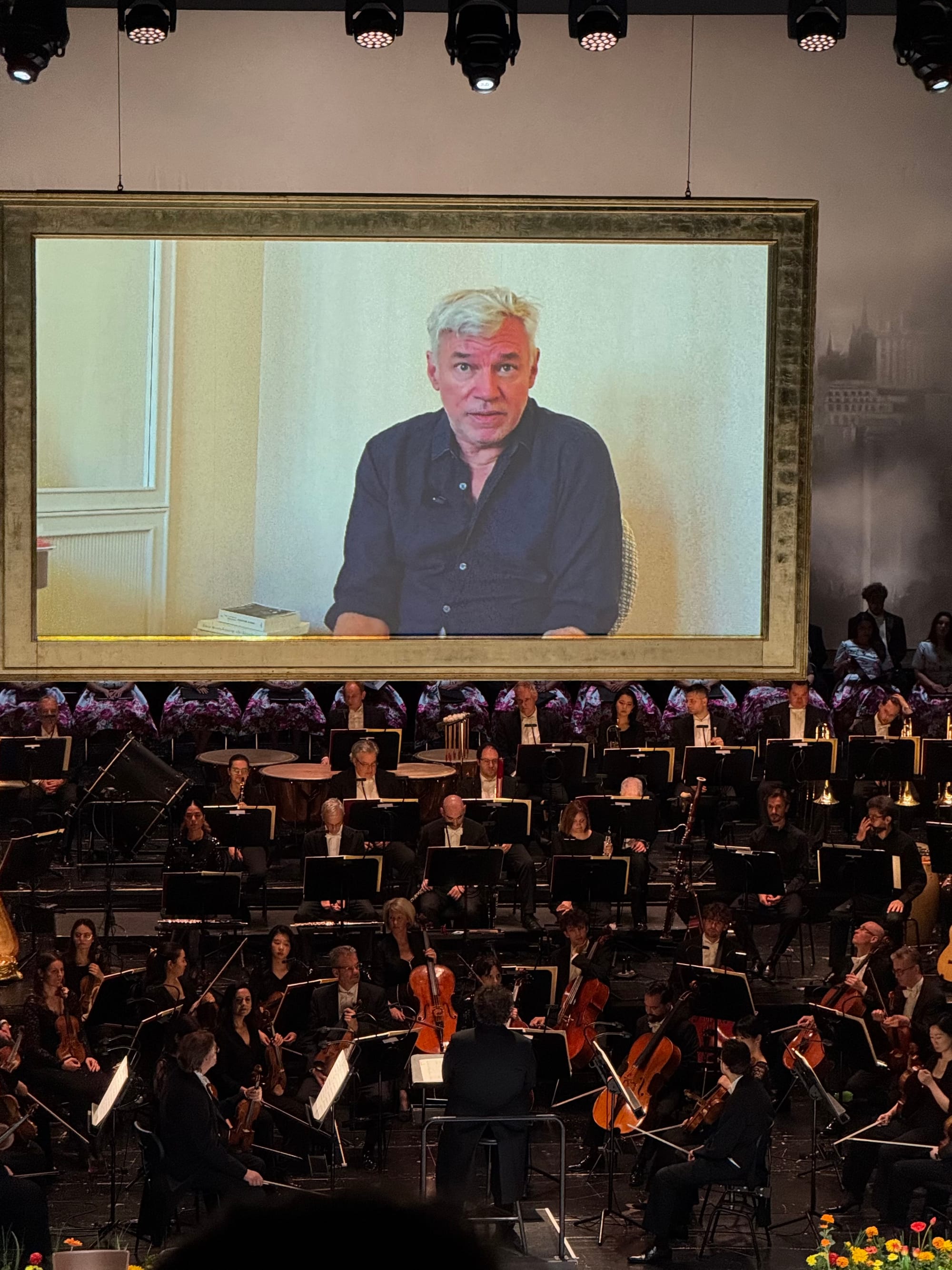
Christoph Loy, who introduced the evening from a video message after breaking his foot in rehearsal (a detail that tells you something about the intensity with which this small company approaches the material), offered the most useful reframing I've heard all year: Die Zauberflöte is a German zarzuela. Meistersinger is, structurally, the longest zarzuela ever staged. The genre distinction collapses the moment you stop assuming German and Italian opera get to set the terms.
What Got Lost, and Why
The more sobering thread of the evening was political. Zarzuela's mass popularity made it a target: the ruling classes looked down on it even at its peak, and under Franco it was appropriated outright, stripped of its satirical and progressive instincts, and refashioned into folkloric propaganda - a process that left the genre, by the second half of the twentieth century, looking like something for grandparents, much the way 20th century operetta is treated in Germany now. It's a familiar pattern, art flattened under political pressure and then blamed for its own flattening, and it made the evening's recoveries - one zarzuela reconstructed from scratch by a twentieth-century composer working only from surviving vinyl recordings, after the sheet music itself was destroyed - feel less like historical curiosities than small acts of resistance.
The Evening Itself
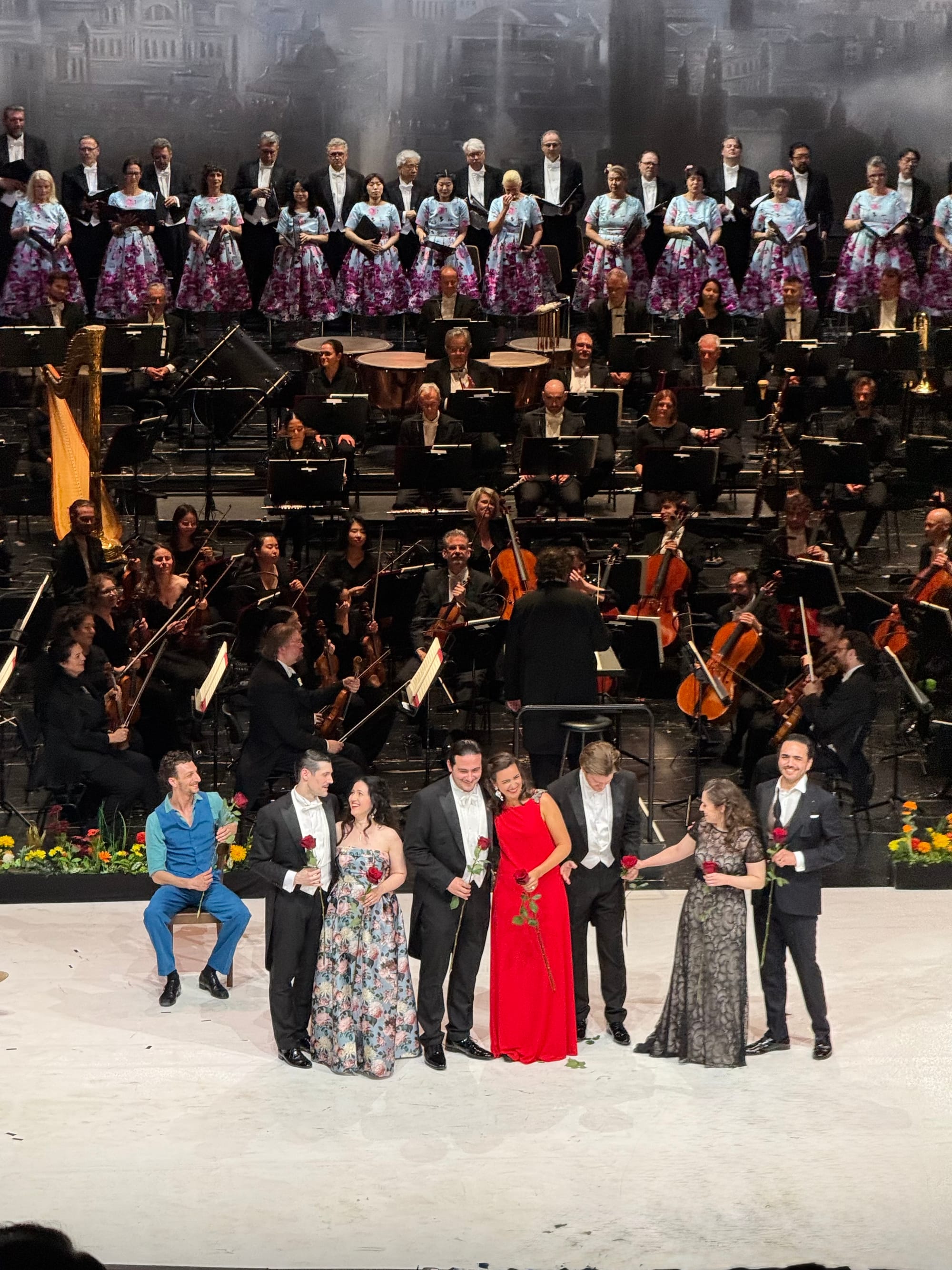
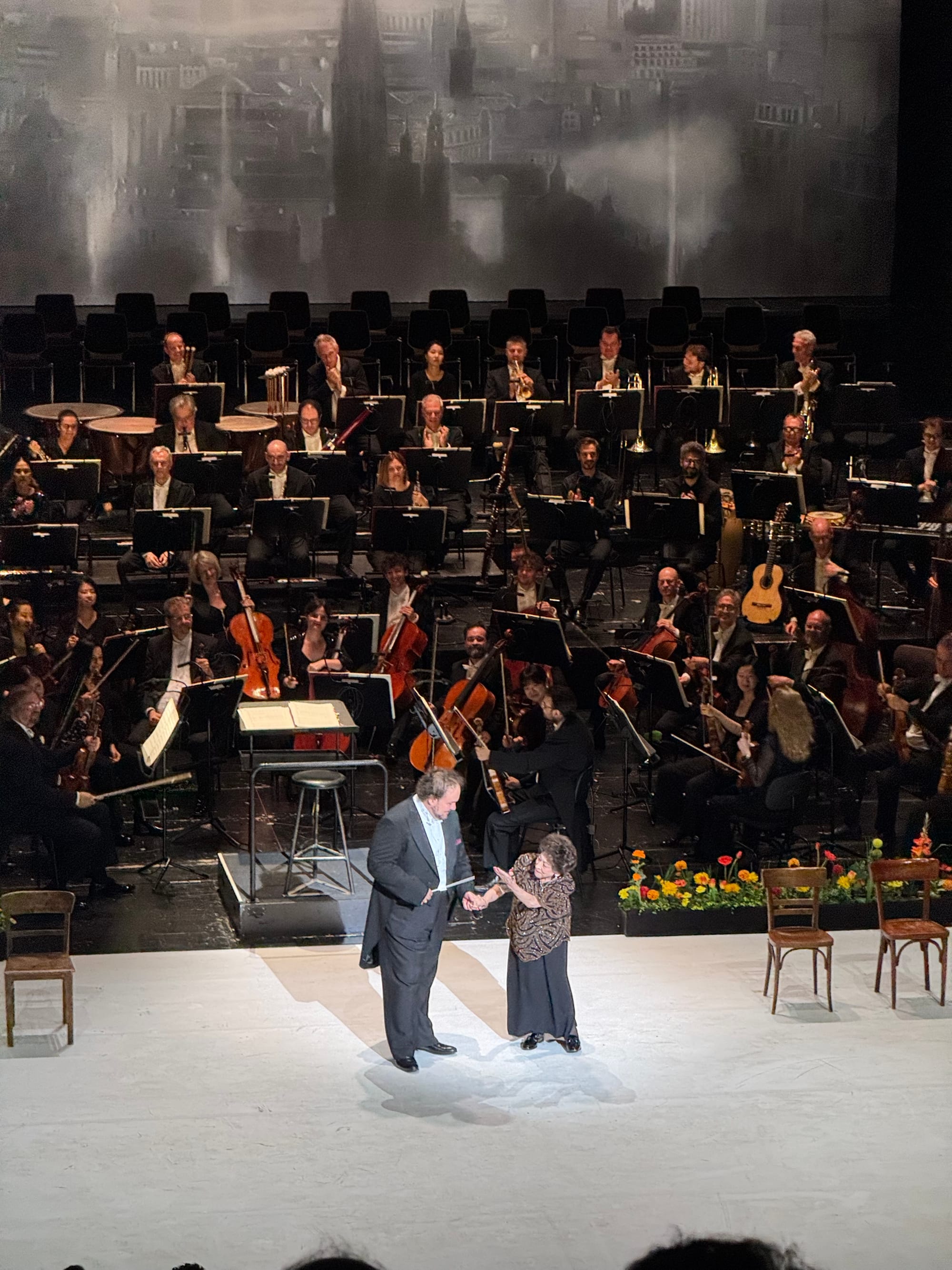
None of this stayed academic for long. Lucero Tena, who built a second career as the genre's defining castanet virtuoso after retiring from flamenco and is now closing in on ninety, brought the house to a standing ovation with a speed and precision that made the instrument's status as a stage prop look like criminal underselling. And one of the closing numbers, the Jota de los Ratas from La Gran Vía - a piece Nietzsche once wrote admiringly about - dissolved any remaining formality: three singers playing pickpockets lifted a watch off an audience member's wrist mid-aria, the conductor abandoned the podium to join in as a fourth character, and one of the singers promptly stole his baton and finished conducting the orchestra herself.
The Real Takeaway
We talk often about expanding the operatic repertoire archaeologically - unearthing forgotten scores, restaging the overlooked. What struck me watching this is that the expansion opera houses rarely attempt is geographical. German stages remain, with a few well-worn exceptions, a Western European genre: French here, Czech there, Russian folded firmly into the canon, and almost nothing from Spain, Latin America, or Asia, despite decades of operatic tradition in all of them. If a repertoire this large, this popular, and this close to home can remain nearly invisible on German stages, it raises an obvious question about what else is simply not being looked for.